
Creating effective flooring ads that actually convert remains one of the biggest challenges for UK flooring businesses in 2026. With competition intensifying across digital channels, you need advertising that cuts through the noise and drives genuine enquiries. This guide explores proven flooring ad examples and actionable strategies to enhance your PPC, Meta, and SEO campaigns. You’ll discover what makes successful flooring advertisements work, compare major digital channels, and learn how to choose the right approach for your business goals and budget.
Key takeaways
| Point | Details |
|---|---|
| Combined channel strategy | Meta and Google Ads together boost conversions significantly compared to single-channel approaches. |
| Authentic visual content | High-quality, genuine renovation imagery doubles ad engagement versus stock photography. |
| Seasonal optimisation | Targeting peak demand periods and using bid automation maximises return on ad spend. |
| Continuous testing | Regular A/B testing and focusing on high-intent keywords increases overall campaign ROI. |
| Integrated approach | SEO and PPC working together deliver sustained visibility and balanced traffic growth. |
How to evaluate flooring ads: key criteria for success
Before diving into specific examples, you need clear criteria to assess what makes flooring advertisements effective. The best performing ads share common characteristics that separate them from mediocre campaigns.
Start with visual quality. Your images and videos must showcase flooring products authentically, featuring real installations rather than generic stock photography. Customers respond to genuine transformations they can envision in their own spaces. Pair these visuals with targeting that focuses on high-intent keywords related to specific flooring types, installation services, and local searches.
Budget allocation matters enormously. Spending at least 10% of your paid media budget on ongoing conversion optimisation testing ensures long-term viability and prevents stagnation. Many flooring businesses make the mistake of setting campaigns and forgetting them, missing opportunities to refine performance continuously.
Your ad copy and landing pages need transparency. Include clear delivery timelines, pricing indicators where appropriate, and straightforward calls to action. Customers comparing flooring options appreciate upfront information that helps them make decisions faster. Vague messaging or hidden details increase bounce rates and waste ad spend.
Finally, leverage automation intelligently. Bid management tools, audience targeting algorithms, and performance tracking systems free you to focus on strategic decisions rather than manual adjustments. The flooring businesses seeing strongest results combine human creativity with machine efficiency.
Pro Tip: Test your flooring growth potential before scaling ad budgets to identify which conversion points need strengthening first.
- Focus visual content on authentic before-and-after transformations
- Target keywords with clear commercial intent and local modifiers
- Allocate dedicated budget specifically for testing and optimisation
- Provide transparent pricing and delivery information in ad copy
- Implement automation for bidding whilst maintaining creative control
Top flooring ad examples and what makes them work in 2026
Successful flooring advertisements in 2026 share distinct patterns you can replicate. The highest performing campaigns combine channel strategy, visual authenticity, and conversion-focused design.
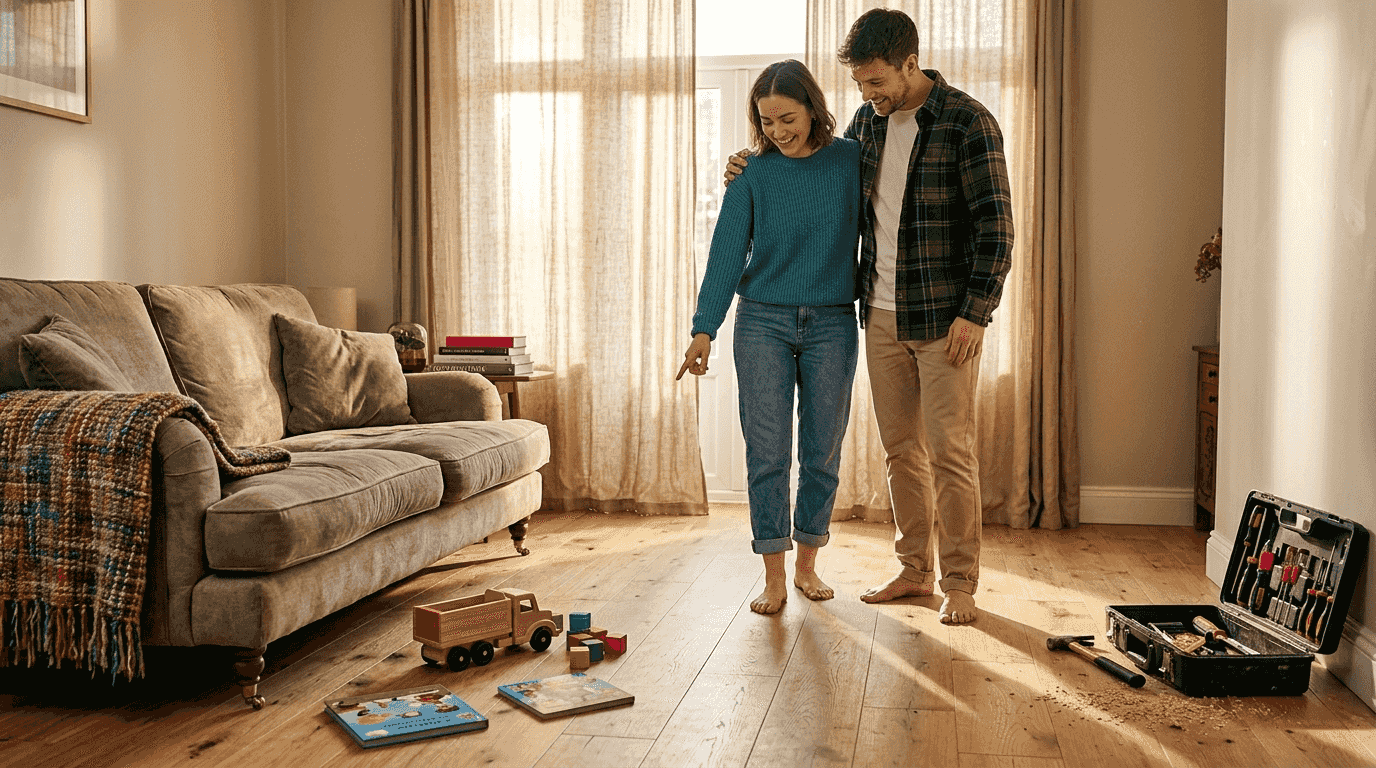
Authentic imagery drives remarkable results. Flooring businesses using genuine renovation photos rather than stock images see double the click-through rates. Customers instinctively recognise real installations and respond more positively to content showing actual projects. One carpet retailer switched from studio shots to customer installation photos and immediately saw engagement metrics climb.
Channel combination proves essential. Meta Ads Management can boost online sales by 30-50% for flooring e-commerce, whilst Google Ads generate high ROI when paired with optimised landing pages. Running both simultaneously captures different customer segments at various buying stages.
Keyword strategy separates winners from losers. Prioritising high-intent terms like “oak flooring installation near me” or “luxury vinyl tile suppliers Manchester” whilst excluding non-profitable searches prevents budget waste. Negative keyword lists should include DIY-focused terms if you only serve trade customers, or exclude commercial searches if you target homeowners exclusively.
Landing page design matters as much as the ad itself. Dedicated pages tailored to specific flooring types convert far better than generic homepages. A laminate flooring ad should direct to a laminate-specific page with relevant products, installation details, and testimonials from laminate customers. This focused approach reduces confusion and accelerates purchase decisions.
Headlines need benefit-driven clarity. “Transform your home with premium oak flooring fitted in 48 hours” outperforms “Quality flooring solutions” because it specifies the product, timeframe, and outcome. Your call to action should remove friction with phrases like “Get your free quote today” or “Book a showroom visit this week.”
Pro Tip: Study successful flooring ad campaigns to identify patterns you can adapt for your market and customer base.
- Replace stock photography with authentic customer installation images
- Run Google and Meta campaigns simultaneously for maximum reach
- Build negative keyword lists to exclude unprofitable search terms
- Create dedicated landing pages for each flooring type you advertise
- Write benefit-focused headlines with specific timeframes and outcomes
Comparing PPC, Meta, and SEO campaigns for flooring businesses
Understanding how major digital channels compare helps you allocate budget effectively and set realistic expectations for each campaign type.
PPC through Google Ads delivers immediate visibility and traffic. You appear at the top of search results for chosen keywords within hours of launching campaigns. Conversion potential runs high because you target customers actively searching for flooring products and services. The downside involves ongoing cost per click and the need for continuous optimisation to maintain profitability.
Meta advertising excels at audience building and upper-funnel engagement. You can target homeowners who recently moved, follow people interested in interior design, or retarget website visitors who didn’t convert initially. Adding Meta ads lifted incremental conversions from 2% to 11% compared to Google Ads alone, proving the channels complement rather than compete with each other.
SEO provides the most cost-effective long-term traffic source. Search engine optimisation improves organic visibility and local search presence, capturing customers without ongoing ad spend. The challenge involves longer timeframes to see results and the technical expertise required to execute properly. Most flooring businesses need three to six months before SEO efforts generate meaningful traffic increases.
Each channel requires different optimisation approaches. PPC needs constant bid adjustments, keyword refinement, and ad copy testing. Meta demands creative refreshes, audience segmentation, and engagement tracking. SEO involves content creation, technical site improvements, and link building. Trying to master all three simultaneously often spreads resources too thin.
The winning strategy combines channels strategically. Use flooring SEO services for sustainable organic growth whilst running Google Ads to capture immediate demand and Meta campaigns to build awareness with new audiences.
| Channel | Strengths | Weaknesses | Best use case |
|---|---|---|---|
| Google Ads PPC | Immediate visibility, high intent traffic, measurable ROI | Ongoing costs, requires constant optimisation | Capturing active searchers ready to buy |
| Meta Ads | Audience targeting, brand awareness, retargeting capabilities | Lower immediate intent, creative demands | Building awareness and nurturing prospects |
| SEO | Cost-effective long term, sustainable traffic, local visibility | Slow results, technical complexity, ongoing effort | Establishing authority and organic presence |
Choosing the right flooring ad strategy for your business
Selecting suitable advertising strategies depends on your specific business goals, available budget, and target customer segments. No single approach works for every flooring company.
-
Identify your target audiences precisely. Luxury flooring buyers respond to different messaging than budget-conscious customers. Commercial clients need case studies and technical specifications, whilst homeowners want inspiration and reassurance. Segment your advertising to speak directly to each group’s motivations and concerns.
-
Time your budget allocation strategically. Aligning spend with seasonal buying habits maximises demand capture during peak periods. Spring and autumn see highest flooring purchase intent as homeowners plan renovations. Increase advertising budgets during these windows and reduce spend during slower summer and winter months unless you specialise in commercial projects with different seasonality.
-
Invest in continuous testing and refinement. A/B test ad copy variations, landing page designs, and audience segments monthly. Small improvements compound over time, turning marginally profitable campaigns into strong performers. Focus testing budget on conversion-critical elements like checkout processes, quote request forms, and initial contact experiences.
-
Implement rapid lead follow-up systems. Responding to enquiries within five minutes rather than an hour increases close rates by approximately 40%. Advertising effectiveness depends not just on generating leads but converting them efficiently. Consider automation tools that alert sales staff immediately when new enquiries arrive.
-
Leverage automation for scalability. Bid management algorithms, geo-targeting rules, and audience expansion features handle routine optimisation tasks. This frees you to focus on creative strategy, customer experience improvements, and business development rather than manual campaign adjustments.
Pro Tip: Assess your current digital marketing maturity before committing to complex multi-channel strategies that may exceed your team’s capacity to manage effectively.
Enhance your flooring ads with expert web and marketing support
Creating effective flooring advertisements requires more than just launching campaigns. You need websites optimised for conversions, landing pages that load quickly, and ongoing expertise to refine performance continuously.
Truth Digital specialises exclusively in digital marketing for flooring businesses across the UK. Our Google Ads management services focus on high-intent keywords and conversion optimisation specific to flooring retailers and installers. We combine this with SEO strategies that build sustainable organic visibility for carpet, wood, and LVT suppliers.
Our website development service creates fast-loading, mobile-optimised sites designed specifically for flooring businesses. Every element focuses on converting visitors into enquiries, from product galleries to quote request forms. We understand the flooring industry’s unique challenges and build solutions that address them directly rather than applying generic templates.
Which types of ads work best for flooring businesses?
The most effective advertising combines PPC, Meta Ads, and SEO for balanced reach across different customer journey stages. Google Ads capture high-intent searchers ready to purchase, whilst Meta builds awareness with homeowners planning future projects. SEO provides sustainable organic traffic that reduces reliance on paid channels over time.
Authentic visuals consistently outperform stock photography in engaging prospects and driving clicks. Customers respond more positively to genuine installation photos showing real transformations. This authenticity builds trust and helps prospects envision your work in their own spaces.
How can I improve the click-through rate of my flooring ads?
Use authentic renovation images rather than stock photos to double typical click-through rates. Customers instinctively recognise genuine installations and engage more readily with real project examples. Before-and-after sequences prove particularly effective for demonstrating transformation potential.
Craft benefit-driven headlines with specific outcomes and timeframes. “Premium oak flooring installed in 48 hours” performs better than vague claims about quality or service. Clear, concrete promises reduce uncertainty and encourage clicks from qualified prospects.
A/B test visuals and ad copy regularly to identify what resonates with your specific audience. Regional preferences vary, and continuous testing reveals which messages and images drive strongest response in your market.
What role does SEO play in flooring advertising?
SEO builds sustainable, organic visibility that reduces long-term customer acquisition costs. Whilst paid advertising stops generating traffic when you pause spending, SEO improvements continue delivering results months and years after implementation. This makes it essential for flooring businesses seeking predictable growth.
Local SEO proves critical for capturing nearby customers searching for flooring services. Optimising for location-based searches like “carpet fitters Leeds” or “wood flooring showroom Birmingham” connects you with high-intent prospects in your service area. Google Business Profile optimisation and local citations strengthen this visibility further.
Combining SEO with PPC captures both immediate and long-term demand effectively. Use paid advertising to generate enquiries whilst building organic rankings, then gradually shift budget as SEO performance improves. This balanced approach provides stability and reduces vulnerability to algorithm changes or rising ad costs.